
Can China still attract polymer investments?
Friday August 19, 2016
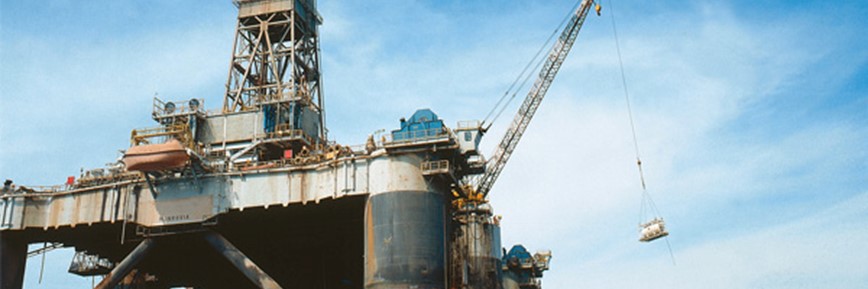
The recent announcement by energy major BP saying it is looking to divest 50% of its stake in its Chinese petrochemicals joint venture SECCO raises two questions: One, is BP’s move a prelude to a wave of divestments by global producers in China’s petrochemicals/polymers industry? Two, if it is not, what are the new strategies being pursued by foreign polymer producers investing in China?
In a knee-jerk reaction to BP’s announcement, some industry observers asked: Was this the right time to divest its share in the cracker complex, when polymer margins were looking extremely healthy? Polyethylene margins against naphtha stood at close to $254/metric ton on August 15, while polypropylene margins were at $140/mt.
The SECCO complex includes a 600,000 mt/year PE plant and a 250,000 mt/year PP unit. The remaining ethylene from its 1.2 million mt/year naphtha cracker goes to feed a 650,000 mt/year styrene facility and a 300,000 mt/year polystyrene unit.
But sources in the banking fraternity concurred that for BP – reeling under the burden of $50 billion clean-up and legal costs for its 2010 Gulf of Mexico oil spill, as well as the sharp drop in earnings this year – this could be a good strategic move. BP’s profit dropped 45% year on year in the second quarter of 2016 to $720 million.
And if BP wants to sell any assets, SECCO is the way to go. There could be many contenders for the stake when petrochemicals, and especially polymers, are raking in good money. ExxonMobil’s H1 2016 earnings for petchems was $2.57 billion, or 73% of the company’s total earnings for H1.
A caveat to the first question that is now doing the rounds is: Will Sinopec, the other major shareholder in the joint venture, buy over BP’s stake? The Chinese state-owned major has been ambivalent so far, but may well be seriously considering the option given the government’s move towards achieving self-sufficiency in polymer production.
On to the second question: Does BP’s exit indicate a potential disinterest among foreign companies in investments in the Chinese polymer industry?
Going by recent trends, one would be tempted to respond with a ‘no’.
In May this year, Saudi Arabia’s SABIC signed a Project Development Agreement with Shenhua Ningxia Coal Industry Group for the joint development of a greenfield petrochemicals (possibly polymers) complex to be located in the Ningxia Hui region of China.
The primary motivation behi...